THERE IS NO BETTER WEALTH THAN HAVING A GREATER HEALTH...! Online AYURVEDA Consultation | TRANSPARENCY | CONFIDENTIALITY | DIGNITY

Understanding Hip Pain While Running: Causes, Warning Signs, and Powerful Tips for Prevention
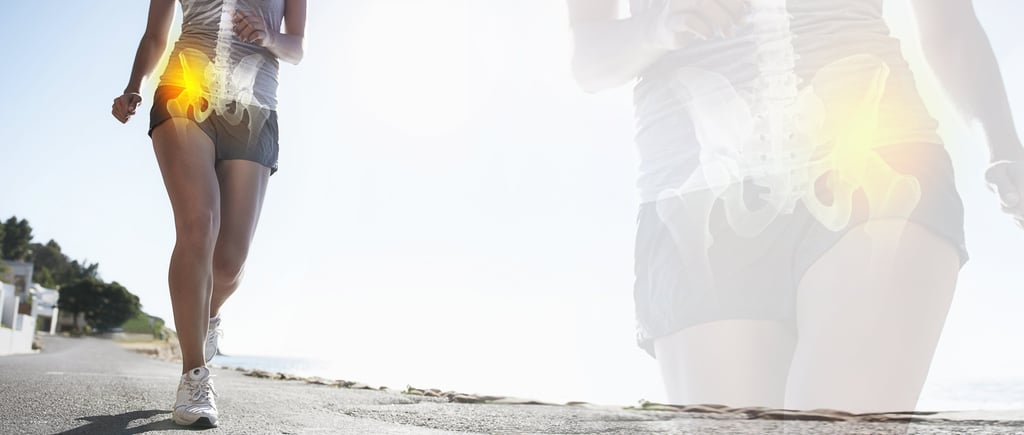
Running is one of the most effective and natural forms of exercise. However, many runners suddenly begin experiencing hip pain that interferes with their performance and daily life. In clinical practice, I often meet runners who say, “Doctor, I started running to become healthier, but now my hip hurts every time I run.” Hip pain while running should never be ignored. It may signal underlying problems affecting muscles, joints, or even early joint degeneration such as Hip Bursitis or Hip Osteoarthritis. Understanding the causes and taking early preventive steps can help protect your joints and keep you running pain-free for years.
Admin
1/10/20253 min read
Why Hip Pain Happens While Running
Namaste!
The hip joint is one of the most powerful weight-bearing joints in the body. Every step during running places significant force on the hip joint and surrounding muscles.
When muscles are weak, posture is poor, or joints are not properly nourished, excessive strain develops.
The most common causes include:
1. Overuse Injury
Suddenly increasing running distance or intensity can overload the hip muscles and tendons.
2. Weak Glute Muscles
Weak hip stabilizing muscles create uneven pressure on the joint during running.
3. Poor Running Form
Improper stride length or foot landing can transfer excess stress to the hips.
4. Tight Muscles
Tight hip flexors and hamstrings reduce flexibility and increase strain.
5. Joint Inflammation
Inflammation around the hip joint may cause conditions such as **Hip Bursitis.
Shocking Facts Most Runners Don’t Know
Many runners believe hip pain is normal. However, research and clinical observations reveal some surprising facts:
• Hip pain is one of the top 5 running injuries worldwide.
• Ignoring early symptoms can lead to chronic joint damage.
• Weak hip muscles increase the risk of **Hip Osteoarthritis later in life.
• Many runners develop hip pain due to sedentary jobs combined with sudden intense exercise.
The good news is that most hip pain can be prevented with the right approach.
A Patient Story That Changed My Perspective
A 32-year-old recreational runner once visited my clinic complaining of severe hip pain during running.
He had started training for a marathon and increased his running distance quickly.
His routine included:
• Long hours sitting at work
• Sudden intense running sessions
• No stretching before or after exercise
Within weeks, he developed persistent hip pain that forced him to stop running.
After assessing his lifestyle, we introduced:
• Ayurvedic muscle-nourishing therapies
• targeted strengthening exercises
• posture correction
• proper warm-up routines
Within two months, he returned to running pain-free and stronger than before.
This case highlights an important lesson:
Hip pain is usually preventable when the body is properly prepared for physical activity.
Early Warning Signs You Should Never Ignore
Watch for these symptoms:
• Pain on the side of the hip while running
• Stiffness in the hip joint after exercise
• Pain when climbing stairs
• Reduced range of motion
• Tenderness around the hip
If these signs persist, early intervention is essential.
30-Second Hip Health Self-Test
Try this quick test to assess your hip health.
Answer YES or NO to the following:
Do you sit for more than 6 hours daily?
Do you start running without warm-up exercises?
Do you feel hip stiffness in the morning?
Do you experience hip pain after long runs?
Do you rarely perform stretching exercises?
If you answered YES to three or more, your hip joint may already be under stress.
Powerful Tips to Prevent Hip Pain While Running
Here are some effective strategies I recommend to my patients.
1. Warm Up Before Running
A proper warm-up prepares muscles and joints.
Simple warm-up routine:
• 5 minutes brisk walking
• gentle hip rotations
• light stretching
2. Strengthen Hip Muscles
Strong hip muscles stabilize the joint.
Helpful exercises:
• glute bridges
• squats
• side leg raises
3. Improve Running Form
Maintain:
• upright posture
• shorter strides
• soft foot landing
Proper running mechanics reduce stress on the hips.
4. Stretch After Running
Post-run stretching helps release muscle tension and improves flexibility.
Focus on:
• hip flexors
• hamstrings
• glute muscles
Ayurvedic Practices for Strong and Pain-Free Joints
Ayurveda offers powerful natural practices to support joint health.
Daily Oil Massage (Abhyanga)
Massaging joints with warm sesame oil helps:
• improve circulation
• reduce stiffness
• nourish muscles and joints
Anti-Inflammatory Spices
Natural spices such as **Turmeric help reduce inflammation and support joint health.
A traditional drink:
Warm milk with turmeric before bedtime.
Balanced Nutrition:
Include foods rich in natural minerals:
• sesame seeds
• almonds
• leafy vegetables
• whole grains
These foods support tissue nourishment in Ayurveda.
When to Stop Running and Seek Help
Consult a healthcare professional if you experience:
• persistent hip pain
• swelling around the hip
• difficulty walking
• pain that worsens during running
Ignoring symptoms may lead to chronic conditions such as **Hip Osteoarthritis.
Final Advice from an Ayurveda Physician
Running is a powerful way to maintain health, but the body must be prepared, nourished, and balanced.
Hip pain is not merely a sports injury — it is often a sign that the body needs better support.
With proper warm-up routines, strengthening exercises, balanced nutrition, and Ayurvedic care, runners can maintain strong joints, better performance, and long-term mobility.
Ready to Run Pain-Free Again?
If you are experiencing persistent hip pain while running, don’t wait for the condition to worsen.
A personalized Ayurvedic consultation can help identify the root cause and create a natural plan for recovery.
Book your consultation today.
Start your journey toward pain-free running and stronger joints naturally.
Start your journey toward pain-free running and stronger joints naturally.
Ayurveda Bhishaj
Specialized Ayurvedic Doctor with 20+ years experience.
Contact :
Email: ayurvedadoctor@ayurvedabhishaj.com
© 2024. All rights reserved.