THERE IS NO BETTER WEALTH THAN HAVING A GREATER HEALTH...! Online AYURVEDA Consultation | TRANSPARENCY | CONFIDENTIALITY | DIGNITY

The Windows to Your Wellbeing: What Your Nails Are Saying About Your Health
Have you ever stopped to really look at your fingernails? And I don’t mean checking if your polish is chipped or if you’re due for a trim. I mean really looking at the texture, the color, and the strength of the nail itself. It’s easy to dismiss our nails as just a hard surface for decoration, but in the world of medicine, they are often considered "the windows to the soul"—or at least, the windows to your internal organs.
Admin
11/1/20255 min read
Namaste !
Nails Are More Than Just a Canvas for Polish.
Have you ever stopped to really look at your fingernails? And I don’t mean checking if your polish is chipped or if you’re due for a trim. I mean really looking at the texture, the color, and the strength of the nail itself. It’s easy to dismiss our nails as just a hard surface for decoration, but in the world of medicine, they are often considered "the windows to the soul"—or at least, the windows to your internal organs.
Your nails are like a biological dashboard. Just as a "low oil" light flickers on your car's dash before the engine stalls, your nails often show subtle signs of distress long before you feel "sick." From a lack of vitamins to underlying chronic conditions, your hands are constantly trying to send you status reports. Let’s decode that language together.
Let's Understand The Anatomy of a "Healthy Nail"
Before we talk about what's wrong, we need to know what's right. A healthy nail should be smooth, without pits or grooves. It should be consistent in color—typically a light pinkish hue—and free of spots or discoloration.
Understanding the Matrix, Plate, and Cuticle
Think of the nail plate (the part you paint) as a shield made of a hardened protein called keratin. Beneath that lies the nail bed, which is rich in blood vessels—that’s why healthy nails look pink! The matrix is the hidden "engine room" under your cuticle where new cells are born. If the matrix is stressed by illness or poor nutrition, the nail it produces will reflect that trauma weeks or even months later.
Common Color Changes and Their Meanings
Color is usually the first thing we notice. While a stain from a dark red polish is harmless, other color shifts are worth a second look.
Yellow Nails: Is It Just Fungi or Something More?
One of the most common complaints is yellowing. Most of the time, this is a simple fungal infection. However, if the nails are also thick and crumbly, it might be a sign of "Yellow Nail Syndrome," which can be linked to chronic bronchitis or lymphatic issues. If you're a smoker, it’s likely nicotine, but if you aren't, keep an eye on it!
Pale or White Nails: Why Color Matters
Very pale nails can sometimes be a sign of serious illness, such as anemia, congestive heart failure, or liver disease. If the nails are mostly white with a narrower rim of darker color at the top (known as Terry’s nails), it could be a signal to check in with your doctor about your liver health.
Blue-ish Tints and Oxygen Levels
Nails with a bluish tint (cyanosis) mean the body isn’t getting enough oxygen. This could be a temporary reaction to cold, but if it persists, it might indicate a problem with the lungs (like emphysema) or the heart. These are observed commonly in chronic smokers, people with history of Tuberculosis etc.
Texture Troubles: Ridges, Pits, and Bumps
Run your thumb over your other nails. Is it a smooth ride, or are there speed bumps?
Vertical vs. Horizontal Ridges (Beau’s Lines)
Vertical ridges (running from cuticle to tip) are usually just a sign of aging—think of them as "wrinkles" for your nails. However, horizontal ridges, known as Beau’s lines, are different. These occur when growth is interrupted by a severe illness, high fever, or even extreme stress. It’s like a tree ring that marks a particularly harsh winter.
Pitting and Rippling: The Skin Connection
If your nail surface looks like it’s been hit by a tiny ice pick—creating small dents or pits—it’s often an early sign of psoriasis or inflammatory arthritis. Since the nails and skin are closely linked, what happens on the surface often mirrors what’s happening in the joints.
Strength and Structure: Brittle vs. Soft
Do your nails snap like a dry twig, or are they as soft as a piece of paper?
Dealing with "Onycholysis" (Nail Lifting)
Sometimes the nail starts to pull away from the nail bed. This is called onycholysis. While it can happen due to injury (like slamming your finger in a door), it is also frequently associated with thyroid disease. When the thyroid is overactive, it can speed up cell processes, causing the nail to "lift" prematurely.
"It's Time To Understand Nutritional Deficiencies Written on Your Hands You Shouldn't Ignore"
Your nails are low-priority for your body. When nutrients are scarce, your body sends them to your heart and brain first, leaving the nails to starve.
Role Of Iron, Biotin, and Protein: The Building Blocks
* Spoon-shaped nails (Koilonychia): These curve inward and can hold a drop of water. This is a classic sign of iron-deficiency anemia
* Brittle nails: Often a cry for Biotin (B7) or a sign that you need more healthy fats in your diet.
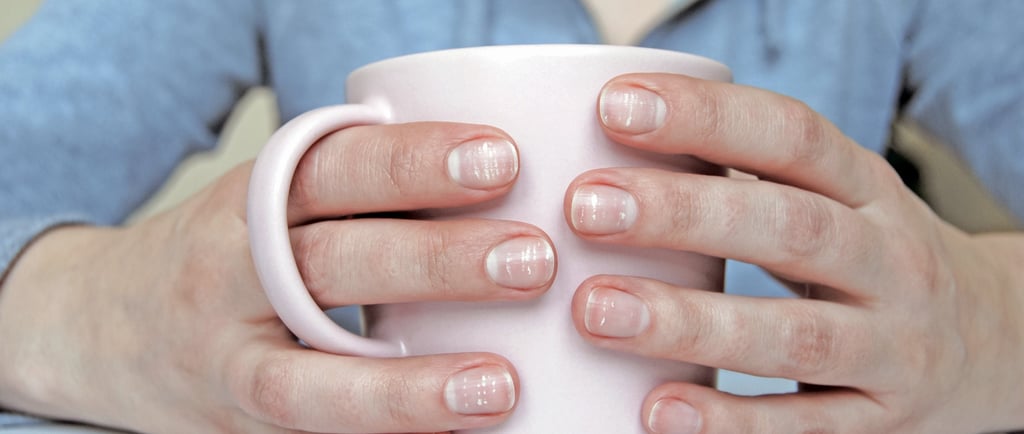
* White spots: Contrary to popular belief, these aren't usually a calcium deficiency; they are typically just tiny traumas to the nail matrix.
An Unique Guideline for You :- When to See a Doctor vs. a Manicurist?
While a manicurist can fix a chip, they can’t fix an internal imbalance. If you notice a dark streak underneath the nail (that isn't a bruise from an injury), see a dermatologist immediately. This can sometimes be a sign of melanoma, the most dangerous form of skin cancer. Similarly, if your nails are "clubbing"—meaning the tips of your fingers enlarge and the nails curve steeply downward—it’s time for a professional medical check-up.
"Daily Habits for Stronger, Healthier Nails"
1. Hydrate the cuticles: Use oil daily to keep the "seal" around your nail intact.
2. Avoid harsh chemicals: Wear gloves when cleaning!
3. Eat your protein: Since nails are made of keratin (a protein), a diet rich in lean meats, beans, and nuts keeps them strong.
4. Don't use them as tools: Your nails are not screwdrivers or soda-can openers!
Take-home message: Listening to Your Body’s Smallest Signals
Your nails might be small, but they are incredibly vocal if you know how to listen. Most nail changes are harmless or easily fixed with a better diet and a little TLC. However, by paying attention to these "mini-reports" on your fingertips, you can catch potential health issues early. Treat your nails with respect—they’re doing a lot more than just looking pretty!
FAQs
Can stress actually cause my nails to stop growing? Yes! During periods of extreme physical or emotional stress, the body diverts energy away from "non-essential" functions like nail growth. This often results in horizontal ridges (Beau's lines) appearing once the stressor has passed and growth resumes.
Are white spots on my nails always a sign of calcium deficiency? Actually, no. This is a common myth. Most white spots (leukonychia) are caused by minor trauma to the base of the nail. If you bumped your hand a month ago, the spot is just showing up now as the nail grows out.
Does gel polish damage my natural health signals? While gel polish itself doesn't change your internal health, the removal process (soaking in acetone) can make nails brittle and dry. This can "mask" your natural nail health, making it harder to tell if a change is due to the polish or your body.
How long does it take for a nail to grow back completely? Fingernails grow about 3 millimeters per month. It takes roughly 6 months for a fingernail to grow from the cuticle to the tip, meaning the tip of your nail today is a record of your health from half a year ago!
Should I take Biotin supplements for my nails? Biotin is great for many people with brittle nails, but it's always best to consult a doctor first. High doses of Biotin can actually interfere with certain blood tests (like thyroid or heart tests), giving false results.
Ayurveda Bhishaj
Specialized Ayurvedic Doctor with 20+ years experience.
Contact :
Email: ayurvedadoctor@ayurvedabhishaj.com
© 2024. All rights reserved.