THERE IS NO BETTER WEALTH THAN HAVING A GREATER HEALTH...! Online AYURVEDA Consultation | TRANSPARENCY | CONFIDENTIALITY | DIGNITY
The Alchemy of the Spice Box: Healing the Soul Through the Ayurvedic Kitchen
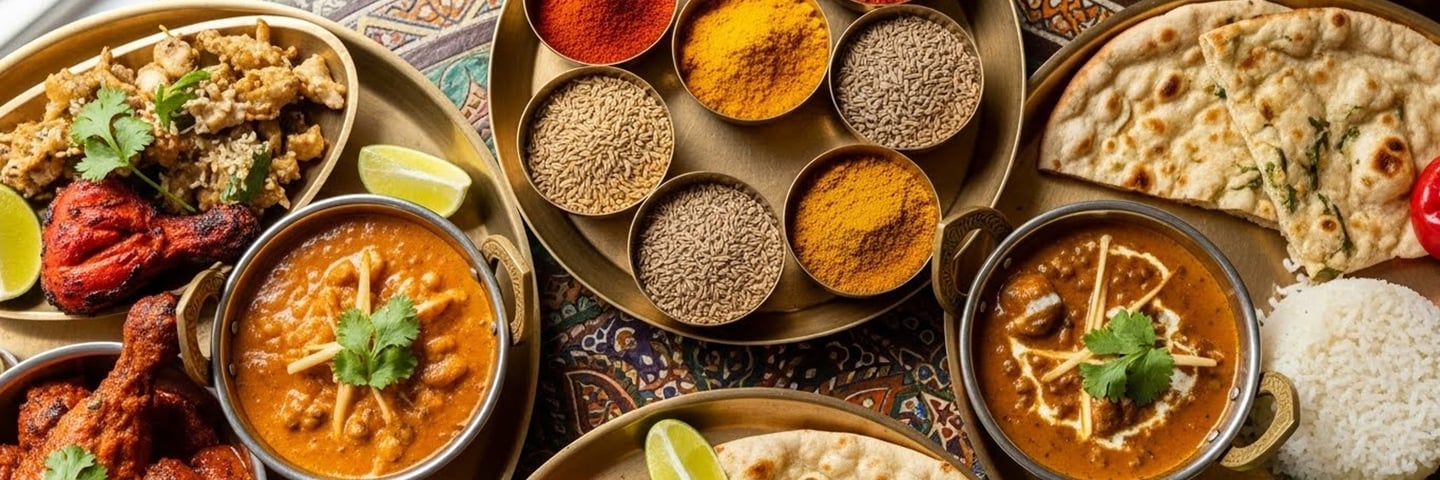
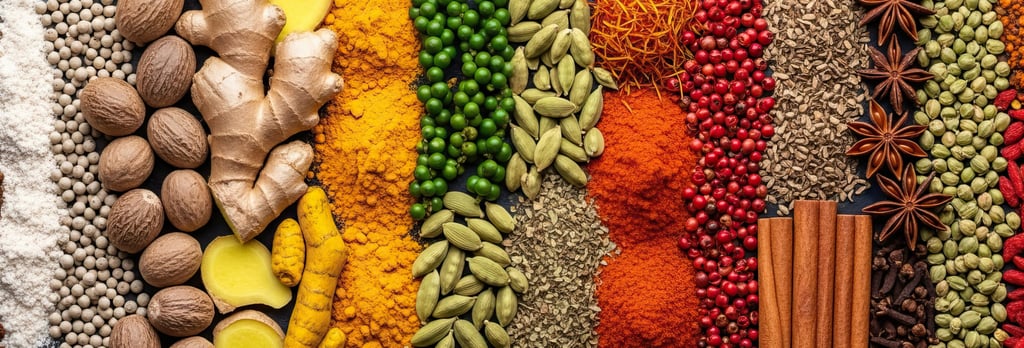
In the heart of every Indian home sits a circular stainless steel chest known as the Masala Dabba. To the untrained eye, it is merely a collection of seasonings. But to an experienced Ayurvedic physician, this box is a pharmacy of profound potency.
Admin
2/20/20262 min read

Namaste!
In Ayurveda, cooking is not just a culinary act; it is a sacred ritual of Agni (digestive fire) management.
When we sprinkle turmeric into hot oil or crush cumin seeds, we aren't just layering flavors—we are balancing the three Doshas (Vata, Pitta, and Kapha) and ensuring that our food becomes medicine rather than metabolic waste (Ama).
The Pillars of the Ayurvedic Pantry:
Understanding the energetic profile of spices is the first step toward a life of balanced health. Here are the "Great Sages" of the Indian kitchen:
1. Turmeric (Haridra): The Golden Healer
Turmeric is perhaps the most revered spice in the Ayurvedic tradition. Beyond its vibrant hue, it contains curcumin, a powerful anti-inflammatory agent.
The Cooking Secret: Always pair turmeric with a pinch of black pepper and a healthy fat (like Ghee). The piperine in pepper increases the bioavailability of curcumin by up to 2,000%.
Health Benefit: It purifies the blood, supports liver function, and acts as a natural antibiotic without disrupting gut flora.
2. Cumin (Jeera): The Digestif
Derived from the Sanskrit word Jeerna, meaning "digestion," cumin is the master of the gut.
The Cooking Secret: Dry-roast cumin seeds until they release a nutty aroma to transform their "heavy" nature into a light, digestive catalyst.
Health Benefit: It kindles the Agni without overheating the body, making it ideal for clearing bloating and gas.
3. Ginger (Shunti): The Universal Medicine
Ayurveda refers to ginger as Vishwabheshaja (the world’s medicine).
The Cooking Secret: Use fresh ginger to stimulate appetite before a meal, and dried ginger powder to treat deeper respiratory congestion.
Health Benefit: It breaks down "sticky" toxins in the joints and promotes healthy circulation.
Why Expert Guidance Matters?
While spices are kitchen staples, their application is a nuanced science.
Using the wrong spice for your specific constitution can inadvertently flare up an underlying imbalance.
For instance, an excess of pungent chilies might aggravate a Pitta person’s acidity, while too much cooling coriander might slow down a sluggish Kapha metabolism.
This is where the wisdom of a highly experienced Ayurveda doctor becomes invaluable.
A true practitioner doesn't just look at the spice; they look at the person and the season. They can prescribe a "Spice Protocol" tailored to your unique Prakriti (constitution), ensuring that every meal you eat acts as a preventative treatment for chronic ailments.
"When diet is wrong, medicine is of no use. When diet is correct, medicine is of no need." — Ancient Ayurvedic Proverb
Take-home message: Transform Your Kitchen Into a Sanctuary
Spices are the bridge between the earth's intelligence and our human biology. By choosing high-quality, organic spices and learning the art of Samskara (the process of transforming a substance's properties through cooking), you reclaim control over your longevity.
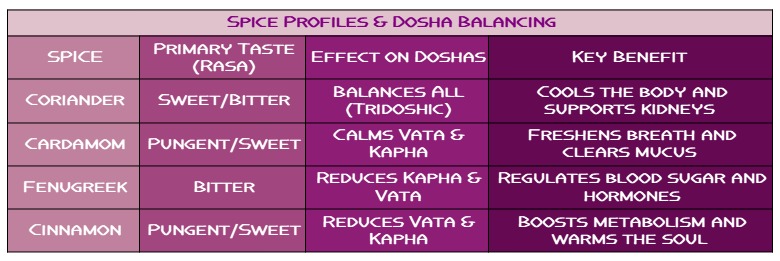
"I often see patients who use too much turmeric without realizing it can be drying for a Vata constitution. Always consult a practitioner to find your perfect balance." — Dr. Ashok Rathod
Ayurveda Bhishaj
Specialized Ayurvedic Doctor with 20+ years experience.
Contact :
Email: ayurvedadoctor@ayurvedabhishaj.com
© 2024. All rights reserved.