THERE IS NO BETTER WEALTH THAN HAVING A GREATER HEALTH...! Online AYURVEDA Consultation | TRANSPARENCY | CONFIDENTIALITY | DIGNITY
Ayurvedic Wellness: Understanding Your Dosha for Optimal Health
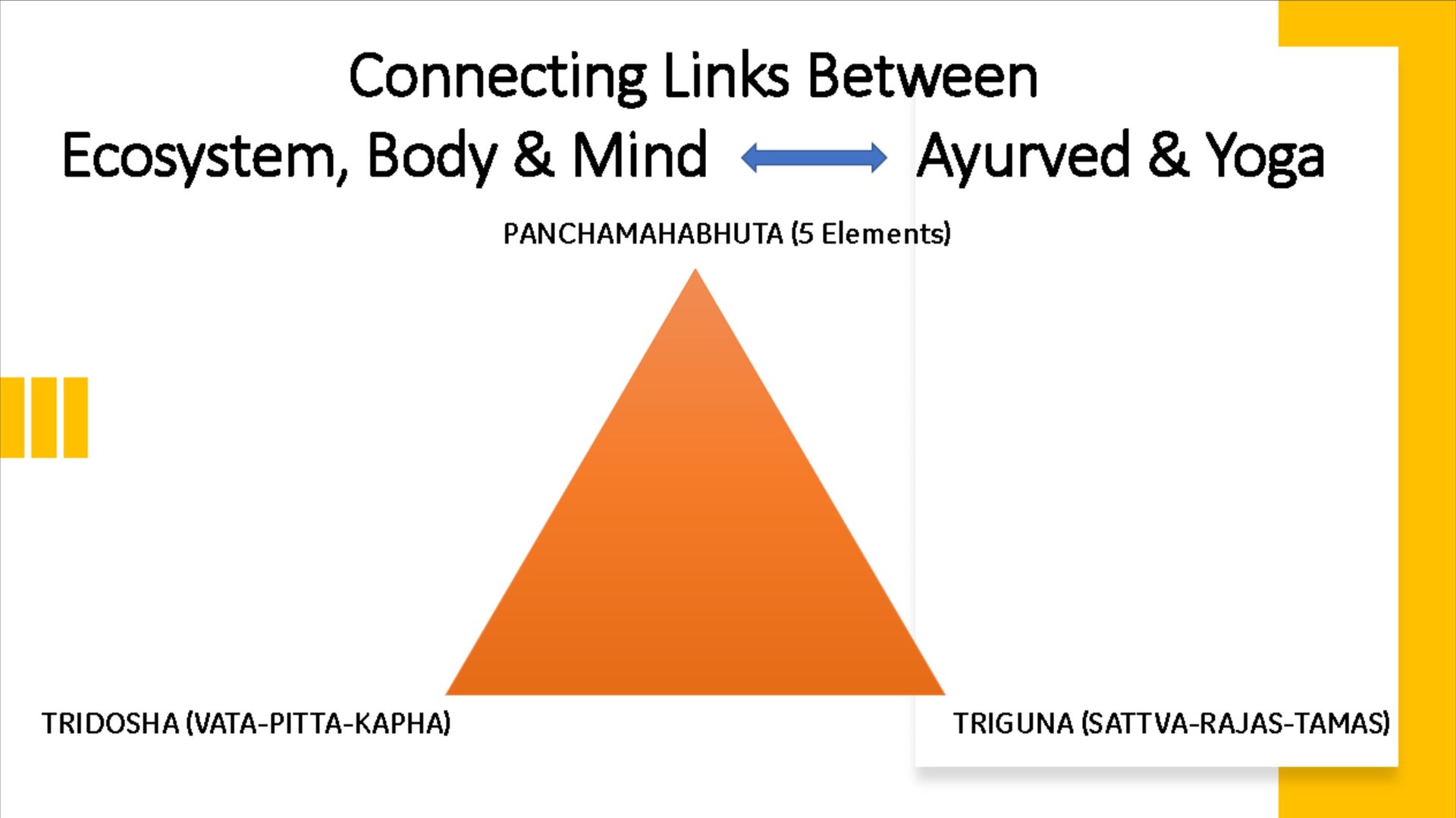
In the ancient wisdom of Ayurveda, optimal health is achieved through balance. Central to this concept is the understanding of the three doshas: Vata, Pitta, and Kapha.
Admin
4/8/20242 min read
Hello everyone, Namaste!
Welcome to my first blog article! This is an introductory article. We will drive through many principles of Ayurveda in my upcoming articles which will make you understand Ayurveda better and use it for your own wellbeing and for others as well. Also, don't forget to subscribe my YouTube channel www.youtube.com/@BodyHealthNexus which will make you Pro! Being a part of society, I feel It's my duty to return ayurveda wisdom to the society.
Ayurveda look forward for wellness and disease treatment both. In the ancient wisdom of Ayurveda, optimal health is achieved through balance. Central to this concept is the understanding of the three doshas: Vata, Pitta, and Kapha. These subtle energies govern our physical, mental, and emotional well-being. By understanding your dominant dosha and its current state, you can tailor your lifestyle and routines to promote balance and prevent imbalances that lead to illness. Once you understand the basics of well-being, you won't need to keep hunting anywhere for any additional informations .
What are Doshas:
Vata Dosha: Composed of air and ether, Vata governs movement, creativity, and communication. Those with a dominant Vata dosha are typically energetic, imaginative, and quick learners. However, they may also be prone to anxiety, dryness, and digestive issues when imbalanced.
Pitta Dosha: Composed of fire and water, Pitta governs metabolism, digestion, and transformation. Pitta-dominant individuals are often passionate, determined, and natural leaders. However, they may also be susceptible to anger, inflammation, and skin problems when out of balance.
Kapha Dosha: Composed of earth and water, Kapha governs structure, stability, and lubrication. Those with a dominant Kapha dosha are usually calm, grounded, and nurturing. However, they may also experience sluggishness, weight gain, and respiratory issues when Kapha is aggravated.
Dosha-Specific Wellness Tips:
Vata Balancing:
Diet: Favor warm, cooked foods with sweet, sour, and salty tastes. Include healthy fats and oils to counter dryness.
Lifestyle: Establish regular routines, avoid overstimulation, and practice calming activities like meditation and gentle yoga.
Herbs: Consider warming and grounding herbs like ginger, ashwagandha, and cinnamon.
Pitta Balancing:
Diet: Focus on cooling foods with sweet, bitter, and astringent tastes. Include plenty of fresh fruits and vegetables.
Lifestyle: Avoid excessive heat, both internally and externally. Practice cooling activities like swimming and moonlit walks.
Herbs: Explore cooling and soothing herbs like coriander, fennel, and aloe vera.
Kapha Balancing:
Diet: Choose light, warm foods with pungent, bitter, and astringent tastes. Limit heavy, oily, and sweet foods.
Lifestyle: Engage in regular exercise and stimulating activities. Avoid excessive sleep and sedentary behaviors.
Herbs: Incorporate warming and stimulating herbs like ginger, black pepper, and turmeric.
Additional Tips for Dosha-Specific Wellness:
Mindfulness: Pay attention to your body's signals and adjust your lifestyle accordingly.
Seasonal Adjustments: Adapt your routine and diet to align with the changing seasons.
Ayurvedic Therapies: Explore Panchakarma, Abhyanga (self-massage), and other Ayurvedic treatments to promote balance and detoxification.
Consult an Ayurvedic Practitioner: Seek guidance from a qualified practitioner for personalized recommendations and treatment plans.
Take-home message: By understanding and nurturing your unique dosha, you can unlock the path to optimal health, well-being, and a life filled with vitality. Remember, balance is the key, and Ayurveda provides the tools to achieve it.


Ayurveda Bhishaj
Specialized Ayurvedic Doctor with 20+ years experience.
Contact :
Email: ayurvedadoctor@ayurvedabhishaj.com
© 2024. All rights reserved.