THERE IS NO BETTER WEALTH THAN HAVING A GREATER HEALTH...! Online AYURVEDA Consultation | TRANSPARENCY | CONFIDENTIALITY | DIGNITY

Agnimandya in Ayurveda | Symptoms, Causes, Diet & Natural Digestive Support
Agnimandya in Ayurveda refers to weak digestive fire, a common root cause of poor appetite, indigestion, bloating, heaviness, and constipation-like symptoms. Learn its causes, symptoms, Ayurvedic diet guidance, and simple natural ways to support better digestion.
Admin
3/26/20265 min read
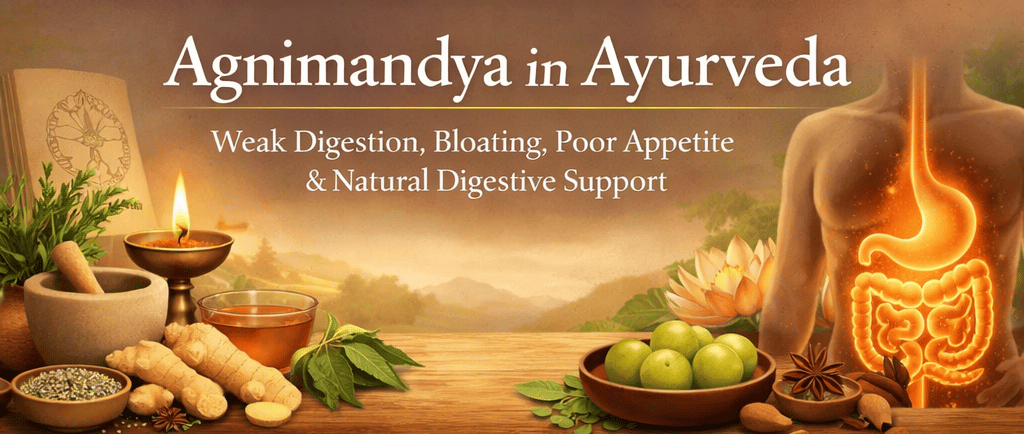

Agnimandya in Ayurveda: Causes, Symptoms, Diet, and Natural Ways to Improve Digestion
Namaste!
Do you often feel heavy after meals?
Do you lose your appetite, suffer from bloating, or feel that your stomach never feels completely comfortable?
In Ayurveda, many digestive problems begin with one basic issue: Agnimandya, or weak digestive fire. When digestion becomes weak, the body cannot process food properly. Over time, this may lead to loss of appetite, indigestion, heaviness, abdominal discomfort, bloating, and constipation-like symptoms.
Digestive health is one of the most important foundations of overall wellness in Ayurveda. When digestion becomes disturbed, it can affect not only the stomach and bowels but also energy, mood, clarity, and strength.
In this article, you will learn what Agnimandya means in Ayurveda, its common symptoms, its relation to indigestion and constipation, and simple diet-lifestyle measures that may help support healthy digestion naturally.
What Is Agnimandya in Ayurveda?
In Ayurveda, Agni means the digestive fire responsible for digesting food and supporting metabolism. When this digestive fire becomes weak, slow, or disturbed, the condition is called Agnimandya.
This weak digestive state often shows up as:
poor appetite
sluggish digestion
heaviness after eating
bloating
discomfort in the abdomen
incomplete digestion
Ayurveda considers healthy digestion to be central to good health. When the digestive fire is weak, the body may struggle to absorb nourishment properly, and many other imbalances can gradually develop.
Common Symptoms of Agnimandya
A person with Agnimandya may notice one or more of the following symptoms:
reduced appetite
food not digesting well
heaviness in the body
abdominal discomfort
bloating or gas
nausea or uneasiness after meals
lethargy or dullness
irregular bowel movement
feeling that the stomach is not properly cleared
In the early stages, these symptoms may appear mild and occasional. But when ignored for a long time, they can become more troublesome and may interfere with daily life.
Agnimandya, Ajirna, and Vibandha: What Is the Connection?
Ayurveda closely relates weak digestion with other digestive complaints, especially Ajirna and Vibandha.
Ajirna:
Ajirna means indigestion. It happens when food is eaten but does not get digested properly. This can lead to heaviness, discomfort, low energy, and a feeling of uneasiness after meals.
Vibandha:
Vibandha refers to a constipation-type condition. It may include:
difficulty passing stool
bloating
abdominal pain
discomfort in the lower abdomen
incomplete bowel evacuation
This is why Ayurveda gives great importance to protecting digestive fire early. If Agni remains weak, many common digestive problems may follow.
Causes of Weak Digestion According to Ayurveda
Agnimandya often develops due to repeated stress on digestion and improper lifestyle habits. Some common contributing factors include:
irregular meal timings
overeating
eating before previous food is digested
heavy, oily, or excessively spicy meals
stale, preserved, or overly processed foods
low-fiber diet
lack of physical activity
irregular sleep
mental stress, worry, or sadness
suppression of natural urges
Modern life often combines many of these habits, which is why digestive complaints are so common today.
Ayurvedic Herbs Traditionally Used for Digestive Support
Ayurveda mentions many herbs that are traditionally used to support digestion, appetite, and bowel function. Commonly referenced herbs include:
Ardraka (fresh ginger)
Shunthi (dry ginger)
Chitraka
Pudina (mint)
Hingu (asafoetida)
Pippali
Haritaki
Isabgol
Eranda
Aragvadha
Sanaya
These herbs are traditionally used according to the person’s digestive condition, body type, and overall imbalance. Ayurvedic medicines and herbs should ideally be taken under qualified guidance, especially for elderly people, pregnant women, children, and those already taking regular medicines.
Best Diet and Lifestyle Support for Agnimandya
Ayurveda strongly emphasizes Pathya, meaning supportive food and habits. When digestion is weak, the right routine can make a meaningful difference.
Helpful Foods and Habits
The following are traditionally considered supportive for digestive health:
wheat
green moong
aged rice
garlic
seasonal fruits
fiber-rich foods
hingu
grapes
amla
ginger
green leafy vegetables
warm water
daily walking
swimming
yoga and gentle activity
These foods and habits help support smoother digestion and a more regular routine.
Foods and Habits to Avoid in Agnimandya
Ayurveda also describes Apathya, meaning foods and habits that may worsen digestive weakness.
Avoid the Following
irregular eating
overeating
heavy oily food
overly spicy food
junk food
bakery items
canned and packed foods
low-fiber eating habits
excessive potato-heavy meals
too much tea or coffee
smoking
poor sleep routine
inactivity
emotional stress and worry
ignoring natural urges like bowel movement
If digestive problems keep repeating, correcting these habits is often one of the most important first steps.
Simple Daily Tips to Improve Digestive Strength Naturally
Many people look for a practical and natural way to improve digestion. These simple Ayurvedic-inspired steps can help support healthier digestion in daily life:
1. Eat at regular times
Your digestion works better when your meals follow a steady rhythm.
2. Prefer warm and freshly prepared food
Warm, simple meals are often easier to digest than stale, refrigerated, or overly heavy food.
3. Do not force heavy meals when appetite is low
Weak appetite is often an early sign that digestion needs support.
4. Sip warm water through the day
Warm water is commonly recommended in Ayurveda to support easier digestion.
5. Stay physically active
Walking after meals and gentle daily exercise can help reduce sluggishness and bloating.
6. Take constipation seriously
When bowel movement is not proper, digestive discomfort often increases further.
7. Sleep on time
A disturbed sleep cycle may also affect digestion and appetite.
8. Manage stress
Mental strain can directly affect the digestive system. A calmer routine often supports a calmer gut.
Who May Need Extra Attention?
People who frequently experience the following should consider proper evaluation:
repeated loss of appetite
chronic bloating
long-term indigestion
constipation
heaviness after every meal
irregular bowel habits
discomfort that keeps returning
Ayurveda always works best when advice is personalized according to the person’s prakriti, digestive state, and daily habits.
When Should You Consult a Professional?
Digestive complaints should not be ignored if they become frequent or severe. Seek proper medical or Ayurvedic consultation if you have:
persistent appetite loss
repeated indigestion
severe constipation
vomiting
ongoing abdominal pain
unexplained weight loss
blood in stool
symptoms lasting for many weeks
A proper consultation can help identify the root cause and create a more suitable diet, lifestyle, and treatment plan.
Take-home message:
Agnimandya in Ayurveda is not just a minor digestive complaint. It is often the beginning of many common problems such as indigestion, bloating, heaviness, low appetite, and constipation.
The good news is that digestion can often be supported through timely care, better food habits, improved routine, and appropriate Ayurvedic guidance. Paying attention to weak digestion early can help protect long-term health and improve overall well-being.
If you often feel that your digestion is slow, your appetite is poor, or your stomach does not feel clear and comfortable, it may be time to focus on your digestive fire.
Struggling with poor digestion, bloating, or low appetite?
Get personalized Ayurvedic guidance based on your body type, digestion pattern, and daily routine. A proper consultation can help identify the root cause and support natural digestive balance.
Book your Ayurvedic consultation at
ayurvedabhishaj.com
Frequently Asked Questions:
What is Agnimandya in Ayurveda?
Agnimandya means weak digestive fire in Ayurveda. It may cause poor appetite, indigestion, heaviness, bloating, and incomplete digestion.
Is Agnimandya the same as indigestion?
Not exactly. Agnimandya is the weak digestive state, while indigestion is often called Ajirna. Weak digestive fire can lead to indigestion.
Can Agnimandya cause constipation?
Yes. Ayurveda links weak digestion with Vibandha, a constipation-type condition associated with abdominal discomfort, bloating, and difficulty in bowel evacuation.
What foods are good for Agnimandya?
Simple, light, freshly cooked foods such as green moong, aged rice, ginger, leafy vegetables, amla, and warm water are commonly considered helpful.
Which Ayurvedic herbs are traditionally used for weak digestion?
Traditional digestive support herbs may include ginger, dry ginger, chitraka, mint, hingu, pippali, haritaki, and isabgol, depending on the condition.
When should I consult an Ayurvedic doctor for digestion problems?
You should seek professional advice if you have repeated indigestion, persistent bloating, low appetite, constipation, abdominal pain, or symptoms lasting for weeks.
Internal Link Suggestions
Link to PCOS blog with anchor: hair fall linked with PCOS
Link to fatigue blog with anchor: low energy and stress imbalance
Link to consultation page with anchor: Agnimandya consultation
Ayurveda Bhishaj
Specialized Ayurvedic Doctor with 20+ years experience.
Contact :
Email: ayurvedadoctor@ayurvedabhishaj.com
© 2024. All rights reserved.